Your Is it too cold to lay concrete images are available in this site. Is it too cold to lay concrete are a topic that is being searched for and liked by netizens today. You can Download the Is it too cold to lay concrete files here. Get all free photos.
If you’re searching for is it too cold to lay concrete images information connected with to the is it too cold to lay concrete keyword, you have come to the ideal site. Our site frequently provides you with hints for seeing the highest quality video and image content, please kindly surf and find more enlightening video articles and graphics that fit your interests.
Is It Too Cold To Lay Concrete. Slower hydration of the portland cement in the mortar and destructive expansion of the mortar as the water in the mortar freezes. When the weather gets too cold the concrete curing process slows down enough that the finished concrete is much weaker as a result. Ideally the temperature should remain within 50 to 60F for most of the day. Cold temperatures slow the hydration of cement in mortar mix and lengthen cement curing time.
 Laying A Concrete Slab Diy Projects Guides And Tips From diy-extra.co.uk
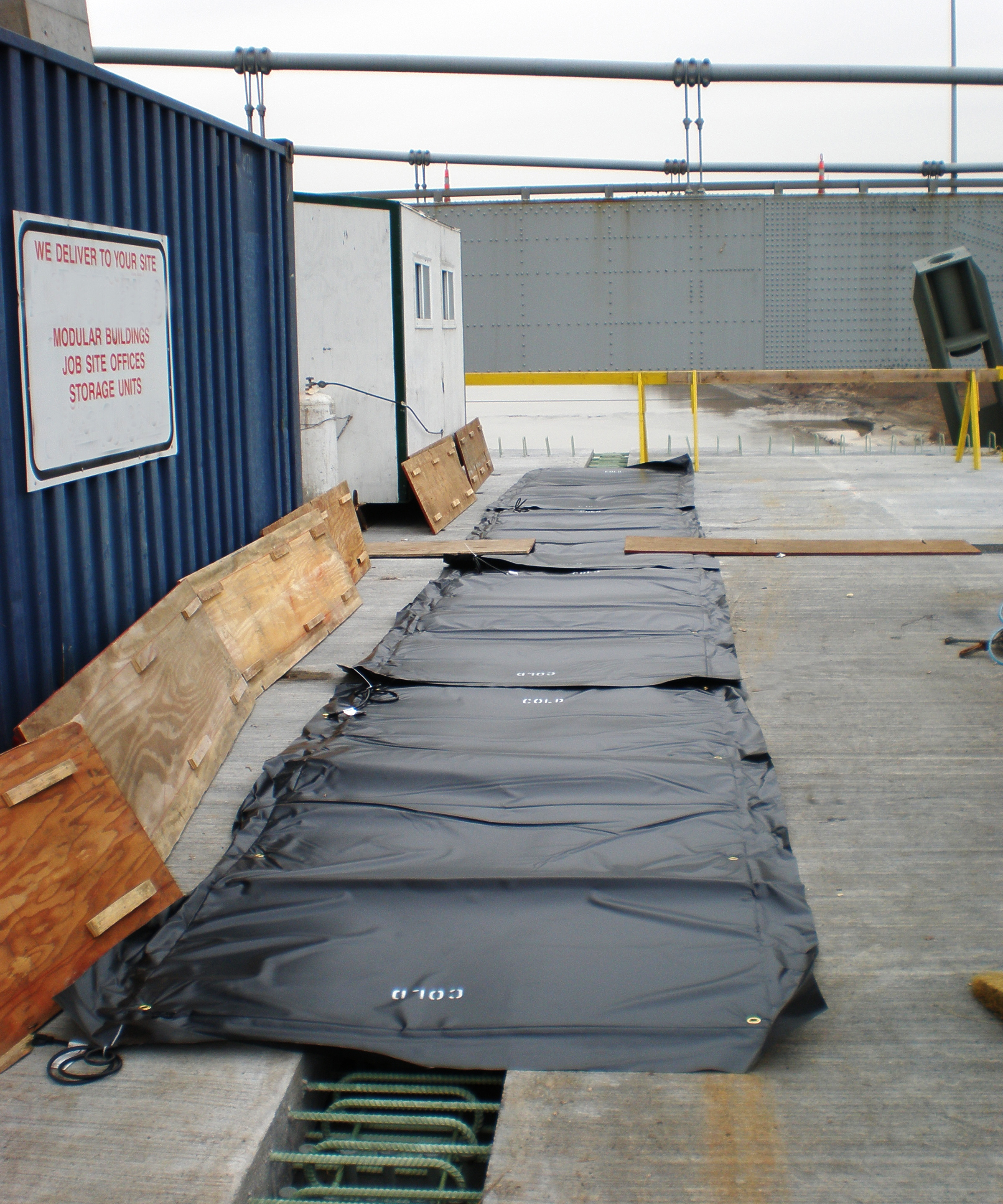
Also make sure that nighttime temperatures dont drop below 40F as this may cause the water in the concrete to freeze putting it at risk of chipping and breaking. Be sure when placing an order for your concrete to ask what precautions the supplier takes. At the same time concrete poured in freezing temperatures can develop cracks as water in the mixture freezes and expands. They may use adjust the mixture either by increasing cement concrete or may add chemicals to accelerate hardening. Style Concrete Blankets Concrete Insulation Blankets Construction Industry Curing Curing Concrete in Cold Weather Winter Preparation Winter Road Construction. The necessary chemical reactions that set and strengthen concrete slow significantly below 50.
While mortar stiffens as water is absorbed by units and evaporates the hardening of mortar is a result of the reaction between the portland cement and water.
Kryton International Winter is here. So be sure to keep the concrete warm with heaters while curing in winter. The ideal temperature range for pouring concrete is 40 to 60 degrees over a 24-hour period. At temperatures below 40 degrees Fahrenheit the initial curing process can take anywhere from two to 24 hours longer and when cold enough it can be stopped entirely. Winter is quickly approaching with temperatures dipping and snowfall beginning many additional issues may present themselves on a construction site. The thickness of the final asphalt surface will have a major influence on whether or not it is too cold to pave.
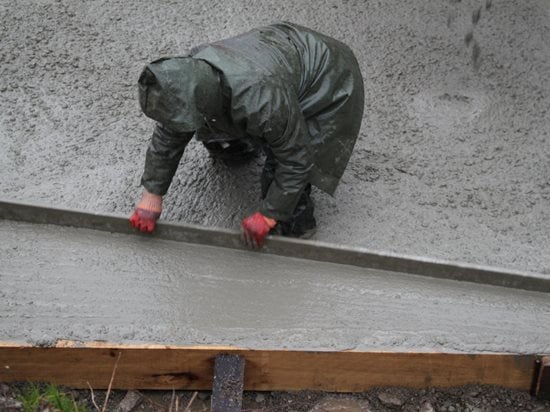 Source: concretenetwork.com
In addition when wet concrete is placed on a cold surface the concrete will set more slowly. Another factor to keep in mind is the amount of moisture in the ground. Also make sure that nighttime temperatures dont drop below 40F as this may cause the water in the concrete to freeze putting it at risk of chipping and breaking. If its too cold the concrete wont cure at all. They can simply lay warmer concrete.
Source: diy-extra.co.uk
Cold weather does more than just make masons uncomfortable. And it will freeze at -4C. Winter is quickly approaching with temperatures dipping and snowfall beginning many additional issues may present themselves on a construction site. This too can create cracking in the concrete. Slower hydration of the portland cement in the mortar and destructive expansion of the mortar as the water in the mortar freezes.
 Source: randmconcrete.com
This too can create cracking in the concrete. At temperatures below 40 degrees Fahrenheit the initial curing process can take anywhere from two to 24 hours longer and when cold enough it can be stopped entirely. Fall is the most stable time of year for installing your new concrete. Cold temperatures slow the hydration of cement in mortar mix and lengthen cement curing time. Also make sure that nighttime temperatures dont drop below 40F as this may cause the water in the concrete to freeze putting it at risk of chipping and breaking.
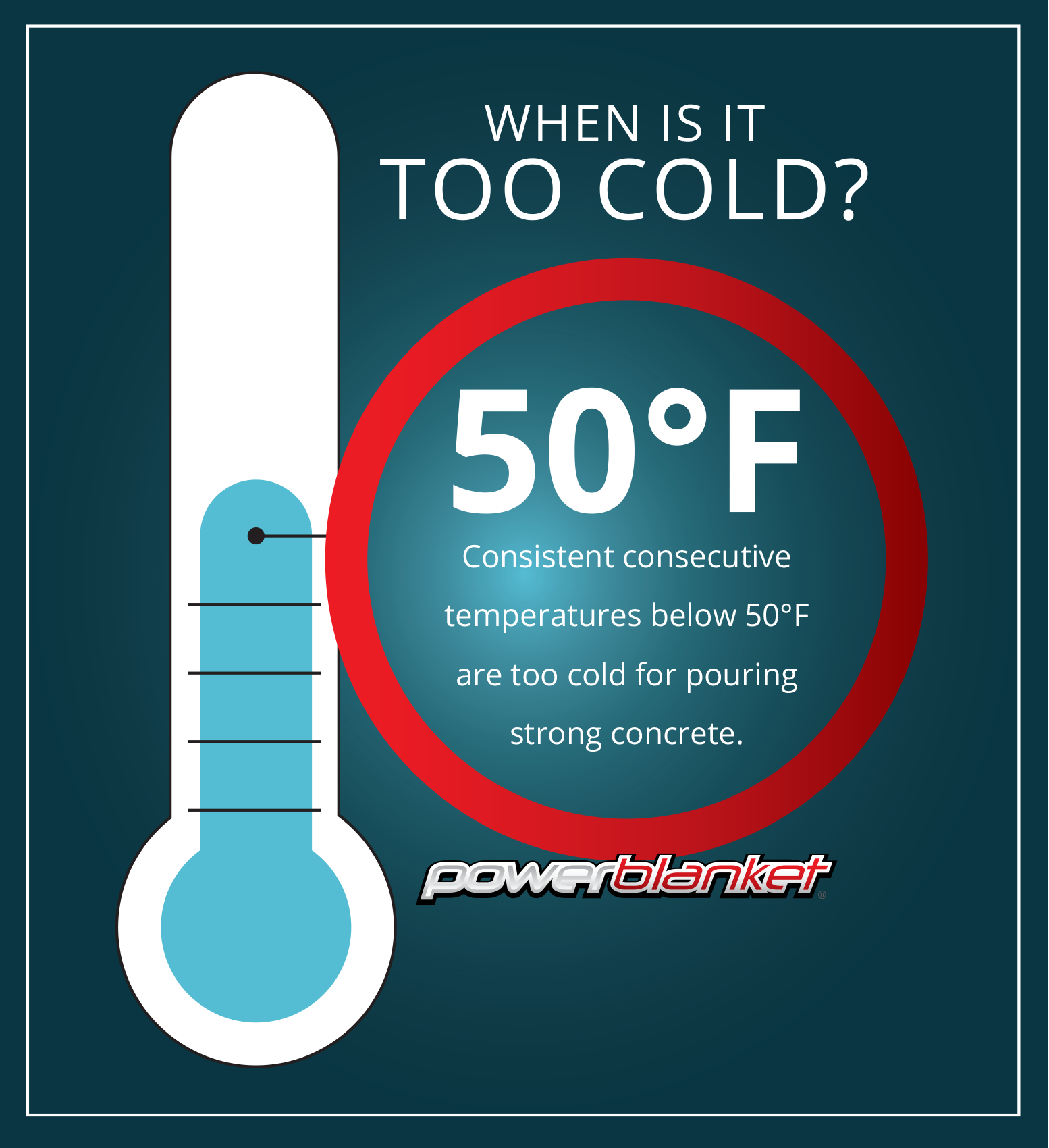 Source: powerblanket.com
Between 40 and 60 allows the water to slowly evaporate from the concrete but is not cold enough to slow down the chemical process of curing. However provided the concrete is able first to reach a strength of about 2 Nmm2 it. In addition when wet concrete is placed on a cold surface the concrete will set more slowly. Because pavers require a stable sub-base to keep them anchored and secured. When the weather gets too cold the concrete curing process slows down enough that the finished concrete is much weaker as a result.
 Source: kingconcrete.co.uk
Although its completely possible its best to avoid blazing hot temperatures or freezing cold weather during the application of concrete. Ideally the temperature should remain within 50 to 60F for most of the day. While mortar stiffens as water is absorbed by units and evaporates the hardening of mortar is a result of the reaction between the portland cement and water. Cold temperatures slow the hydration of cement in mortar mix and lengthen cement curing time. The current American Concrete Institute ACI definition of cold-weather concreting as stated in ACI 306 is a period when for more than three successive days the average daily air temperature drops below 40 degrees Fahrenheit F and stays below 50 degrees Fahrenheit for more than one-half of any 24 hour period.
 Source: concreteideas.com
The concrete supplier may use a combination of precautions to overcome the likely effects of cold weather. If its too cold youre going to have to wait until spring to clean it off and seal it. At the same time concrete poured in freezing temperatures can develop cracks as water in the mixture freezes and expands. While its feasible to install concrete above 60 degrees its normally not a good idea to install in temperatures below 40. The necessary chemical reactions that set and strengthen concrete slow significantly below 50.
 Source: pinterest.com
If its too cold youre going to have to wait until spring to clean it off and seal it. Ideally the temperature should remain within 50 to 60F for most of the day. If its too cold the concrete wont cure at all. But even if the ambient temperature is at least 50 degrees on the day of the project it is equally important to ensure it is not too windy. If concrete curing temperatures are below freezing the water inside the concrete can freeze and expand resulting in cracks.
 Source: concrete4u.co.uk
The primary problem with laying bricks in cold weather is the mortar. Slower hydration of the portland cement in the mortar and destructive expansion of the mortar as the water in the mortar freezes. Concrete needs warm temperatures minimum 10C to cure and reach its desired compressive strength. Note that removing formwork when concrete is too cold or hasnt reached desired strength could damage concrete strength and surfaces and concrete might collapse. At temperatures below 40 degrees Fahrenheit the initial curing process can take anywhere from two to 24 hours longer and when cold enough it can be stopped entirely.
 Source: mastermixconcrete.co.uk
If the wind velocity is high the asphaltwill cool faster so on extremelywindy days the ambient temperature may need to be above 50 degrees. Note that removing formwork when concrete is too cold or hasnt reached desired strength could damage concrete strength and surfaces and concrete might collapse. When temperatures dip below 40F the chemical reactions that strengthen concrete slow down and can lead to weaker concrete. They can simply lay warmer concrete. This could damage the concrete so much that it becomes useless and has to be removed.
 Source: uniquepavingmaterials.com
At temperatures below 40 degrees Fahrenheit the initial curing process can take anywhere from two to 24 hours longer and when cold enough it can be stopped entirely. Although its completely possible its best to avoid blazing hot temperatures or freezing cold weather during the application of concrete. But sealers are a problem. They can simply lay warmer concrete. With stamped concrete we dont have too much trouble in the cold said Dorfmueller because we can lay powdered release agent and as long as the blanket doesnt scratch the surface youre good to go.
 Source: mastermixconcrete.co.uk
Its really never too cold if you are prepared and foster a team approach. If the ground is frozen or covered with ice or snow you should not place your concrete. Laying Masonry in Cold Weather. Heat masonry materials before use as needed so that cement hydration can occur properly. Temperature has a vital role in the solidness and durability of concrete and there is a time of year that is more beneficial for installing concrete driveways.
 Source: pinterest.com
Most applications require that the ambient temperature is at least 50 degrees Fahrenheit and rising while the asphaltis being installed and compacted. If freshly placed concrete cools below 0ºC the water in the mix will freeze and expand. The ideal temperature to pour concrete is 40 to 60 degrees Fahrenheit. The necessary chemical reactions that set and strengthen concrete slow significantly below 50. If the wind velocity is high the asphaltwill cool faster so on extremelywindy days the ambient temperature may need to be above 50 degrees.
 Source: madgetech.com
Note that removing formwork when concrete is too cold or hasnt reached desired strength could damage concrete strength and surfaces and concrete might collapse. If freshly placed concrete cools below 0ºC the water in the mix will freeze and expand. Slower hydration of the portland cement in the mortar and destructive expansion of the mortar as the water in the mortar freezes. Ideally the temperature should remain within 50 to 60F for most of the day. When temperatures dip below 40F the chemical reactions that strengthen concrete slow down and can lead to weaker concrete.
 Source: powerblanket.com
Fall is the most stable time of year for installing your new concrete. The necessary chemical reactions that set and strengthen concrete slow significantly below 50. Its really never too cold if you are prepared and foster a team approach. Most applications require that the ambient temperature is at least 50 degrees Fahrenheit and rising while the asphaltis being installed and compacted. Winter is quickly approaching with temperatures dipping and snowfall beginning many additional issues may present themselves on a construction site.
 Source: pinterest.com
And it will freeze at -4C. Cold temperatures slow the hydration of cement in mortar mix and lengthen cement curing time. Experts agree that the best temperature to pour concrete is between 50-60 F. There are two reasons for this. Pour Concrete on Frozen Ground.
This site is an open community for users to do submittion their favorite wallpapers on the internet, all images or pictures in this website are for personal wallpaper use only, it is stricly prohibited to use this wallpaper for commercial purposes, if you are the author and find this image is shared without your permission, please kindly raise a DMCA report to Us.
If you find this site convienient, please support us by sharing this posts to your favorite social media accounts like Facebook, Instagram and so on or you can also bookmark this blog page with the title is it too cold to lay concrete by using Ctrl + D for devices a laptop with a Windows operating system or Command + D for laptops with an Apple operating system. If you use a smartphone, you can also use the drawer menu of the browser you are using. Whether it’s a Windows, Mac, iOS or Android operating system, you will still be able to bookmark this website.


