Your How to build concrete stem wall forms images are available in this site. How to build concrete stem wall forms are a topic that is being searched for and liked by netizens now. You can Download the How to build concrete stem wall forms files here. Download all free vectors.
If you’re looking for how to build concrete stem wall forms images information connected with to the how to build concrete stem wall forms keyword, you have pay a visit to the ideal blog. Our website frequently provides you with hints for downloading the maximum quality video and image content, please kindly surf and find more informative video articles and images that match your interests.
How To Build Concrete Stem Wall Forms. Removing the Concrete Wall Forms and Planning the Plaster Finish It has been nearly 12 hours since the concrete was poured on. The depth to the bottom of the base slab should be kept at a minimum of two feet. In general the top of the stem of any cast concrete retaining wall should not be less than 12 inches for the proper placement of concrete. Formed concrete walls are built as foundation or retaining members in construction.
 Pin On Structure From pinterest.com
If they will be reused then use treated lumber. The form will be lightweight and strong. The 4-inch stem makes it a little more cumbersome to place concrete in the wall especially if it contains a mat of rebar so plan on the pour taking a little longer than usual. Many consider aluminum and steel wall forming systems to be more productive efficient and even economical than wood forming. However it should always be below the seasonal frost line and that often is much deeper in northern. With the amazing ability to form a buildings concrete core independent of a crane the self-climbing system has aided concrete contractors in high-rise construction for years.
Concrete wall forms are typically made of plywood aluminum or steel.
We use 34 plywood forms sprayed with a form release oil to form the walls. However it should always be below the seasonal frost line and that often is much deeper in northern. The typical stem wall is 32 tall and 8 wide though there are a number of variations depending on building type and site grading relative to the building. Featuring the PERI. Concrete wall forms are typically made of plywood aluminum or steel. We use 34 plywood forms sprayed with a form release oil to form the walls.
 Source: pinterest.com
Many consider aluminum and steel wall forming systems to be more productive efficient and even economical than wood forming. Featuring the PERI. If they will be reused then use treated lumber. The 2 x 4s should be No2 kiln dried pine simply because it is cheap easy to work with and holds nails very well. Plywood forms are typically used where unique wall shapes sizes and embedment.
 Source: sk.pinterest.com
Featuring the PERI. Concrete retaining wall footing size. Featuring the PERI. The 2 x 4s should be No2 kiln dried pine simply because it is cheap easy to work with and holds nails very well. The typical stem wall is 32 tall and 8 wide though there are a number of variations depending on building type and site grading relative to the building.
 Source: pinterest.com
Featuring the PERI. When placing the concrete consolidate the concrete underneath your brick shelf by using a concrete vibrator or rapping your formwork with a mallet. In general the top of the stem of any cast concrete retaining wall should not be less than 12 inches for the proper placement of concrete. The 2 x 4s should be No2 kiln dried pine simply because it is cheap easy to work with and holds nails very well. Many consider aluminum and steel wall forming systems to be more productive efficient and even economical than wood forming.
 Source: pinterest.com
Concrete retaining wall footing size. The form will be lightweight and strong. 2 x 4s and 34 forming plywood works best. Featuring the PERI. Building a Reinforced Solid-Pour Concrete Wall Part 4.
 Source: pinterest.com
In general the top of the stem of any cast concrete retaining wall should not be less than 12 inches for the proper placement of concrete. Building a Reinforced Solid-Pour Concrete Wall Part 4. When placing the concrete consolidate the concrete underneath your brick shelf by using a concrete vibrator or rapping your formwork with a mallet. The form will be lightweight and strong. Two courses of horizontal rebar are placed in the typical 32 tall stem wall at about 13 above the footer and 25 above the footer.
 Source: pinterest.com
2 x 4s and 34 forming plywood works best. However it should always be below the seasonal frost line and that often is much deeper in northern. The plywood needs to be of forming quality. The typical stem wall is 32 tall and 8 wide though there are a number of variations depending on building type and site grading relative to the building. Plywood forms are typically used where unique wall shapes sizes and embedment.
 Source: pinterest.com
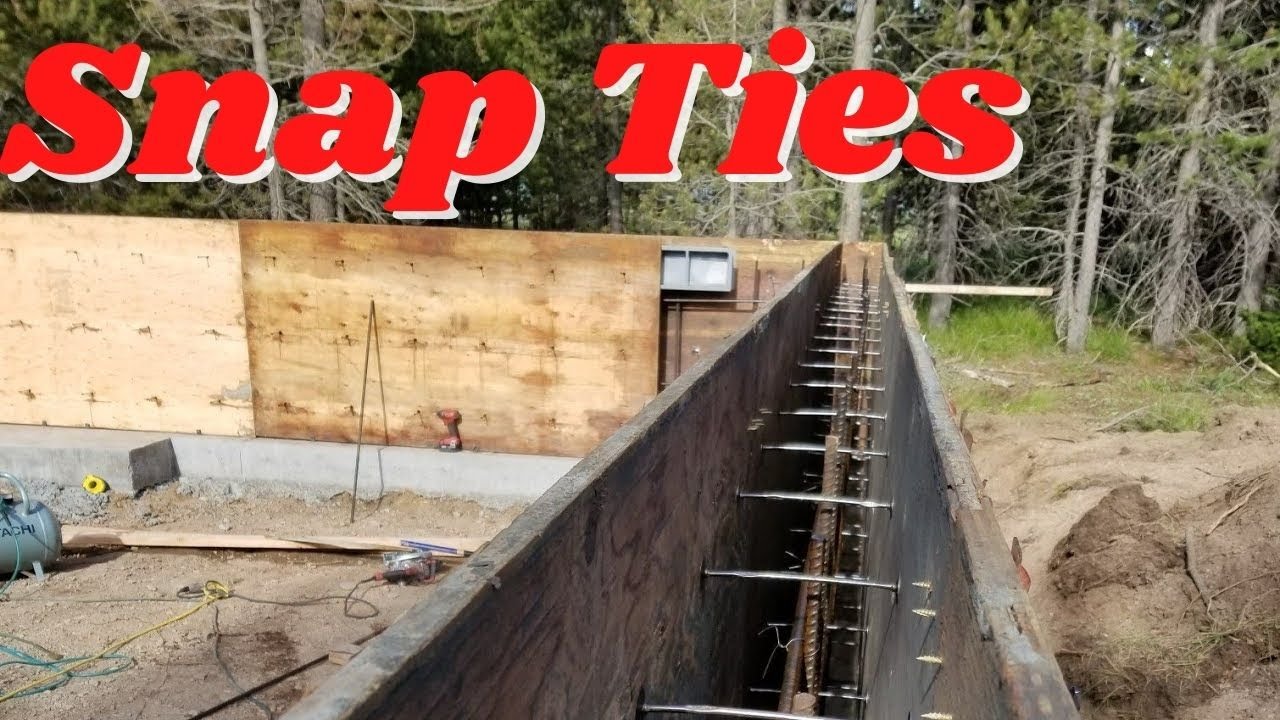
Removing the Concrete Wall Forms and Planning the Plaster Finish It has been nearly 12 hours since the concrete was poured on. We use 34 plywood forms sprayed with a form release oil to form the walls. Two courses of horizontal rebar are placed in the typical 32 tall stem wall at about 13 above the footer and 25 above the footer. Concrete wall forms are typically made of plywood aluminum or steel. In this episode of our off grid cabin build series we are building the wood forms for our concrete stem wall and work on widening and clearing the road on.
 Source: pinterest.com
Formed concrete walls are built as foundation or retaining members in construction. If they will be reused then use treated lumber. Plywood forms are typically used where unique wall shapes sizes and embedment. When placing the concrete consolidate the concrete underneath your brick shelf by using a concrete vibrator or rapping your formwork with a mallet. Concrete retaining wall footing size.
Source: pinterest.com
The depth to the bottom of the base slab should be kept at a minimum of two feet. The typical stem wall is 32 tall and 8 wide though there are a number of variations depending on building type and site grading relative to the building. The form will be lightweight and strong. We use 34 plywood forms sprayed with a form release oil to form the walls. The 2 x 4s should be No2 kiln dried pine simply because it is cheap easy to work with and holds nails very well.
 Source: pinterest.com
Concrete wall forms are typically made of plywood aluminum or steel. In this episode of our off grid cabin build series we are building the wood forms for our concrete stem wall and work on widening and clearing the road on. The typical stem wall is 32 tall and 8 wide though there are a number of variations depending on building type and site grading relative to the building. Plywood forms are typically used where unique wall shapes sizes and embedment. The form will be lightweight and strong.
 Source: pinterest.com
The depth to the bottom of the base slab should be kept at a minimum of two feet. Formed concrete walls are built as foundation or retaining members in construction. The 2 x 4s should be No2 kiln dried pine simply because it is cheap easy to work with and holds nails very well. Plywood forms are typically used where unique wall shapes sizes and embedment. The plywood needs to be of forming quality.
 Source: pinterest.com
However it should always be below the seasonal frost line and that often is much deeper in northern. The 4-inch stem makes it a little more cumbersome to place concrete in the wall especially if it contains a mat of rebar so plan on the pour taking a little longer than usual. The depth to the bottom of the base slab should be kept at a minimum of two feet. The plywood needs to be of forming quality. Two courses of horizontal rebar are placed in the typical 32 tall stem wall at about 13 above the footer and 25 above the footer.
 Source: sk.pinterest.com
However it should always be below the seasonal frost line and that often is much deeper in northern. Many consider aluminum and steel wall forming systems to be more productive efficient and even economical than wood forming. Concrete retaining wall footing size. Plywood forms are typically used where unique wall shapes sizes and embedment. Featuring the PERI.
 Source: pinterest.com
Many consider aluminum and steel wall forming systems to be more productive efficient and even economical than wood forming. The plywood needs to be of forming quality. Concrete retaining wall footing size. If they will be reused then use treated lumber. 2 x 4s and 34 forming plywood works best.
 Source: pinterest.com
Removing the Concrete Wall Forms and Planning the Plaster Finish It has been nearly 12 hours since the concrete was poured on. The plywood needs to be of forming quality. The 4-inch stem makes it a little more cumbersome to place concrete in the wall especially if it contains a mat of rebar so plan on the pour taking a little longer than usual. If they will be reused then use treated lumber. Concrete wall forms are typically made of plywood aluminum or steel.
This site is an open community for users to submit their favorite wallpapers on the internet, all images or pictures in this website are for personal wallpaper use only, it is stricly prohibited to use this wallpaper for commercial purposes, if you are the author and find this image is shared without your permission, please kindly raise a DMCA report to Us.
If you find this site helpful, please support us by sharing this posts to your favorite social media accounts like Facebook, Instagram and so on or you can also save this blog page with the title how to build concrete stem wall forms by using Ctrl + D for devices a laptop with a Windows operating system or Command + D for laptops with an Apple operating system. If you use a smartphone, you can also use the drawer menu of the browser you are using. Whether it’s a Windows, Mac, iOS or Android operating system, you will still be able to bookmark this website.