Your How thick is a commercial concrete slab images are available. How thick is a commercial concrete slab are a topic that is being searched for and liked by netizens now. You can Download the How thick is a commercial concrete slab files here. Get all free images.
If you’re searching for how thick is a commercial concrete slab pictures information connected with to the how thick is a commercial concrete slab topic, you have come to the right blog. Our site always provides you with suggestions for refferencing the maximum quality video and image content, please kindly surf and find more enlightening video content and graphics that match your interests.
How Thick Is A Commercial Concrete Slab. Current standards for interstate highways for example call for concrete that is between 11 inches and 12 inches in thickness. An article once reported that the thickness of one specified 6 inch slab varied from 2 ¾ inches to 8 inches but the normal range should have been between 4 ½ inches to 7 ½ inches of thickness with an average concrete thickness of 5 ¼ to 5 ½ inches. My specification for slabs on grade has a 58 in 10 feet flatness tolerance for the subgrade. More than 12 inches but not over 3 feet 12 inch -38 inch.
 Big Thick Slab Concrete Construction Magazine From concreteconstruction.net
We had a specification of FF35FL 20so not too difficult to achieve says KM Concrete Construction director of sales and marketing Michael Hoeft. Is kept 6 inch to 8 150mm to 200mm taking minimum thickness should be 6 150mm maximum thickness should be 8 200mm and there is no nominal or standard thickness should be mentioned in IS code but I recommended to use nominal or standard thickness of concrete floor slab 6 inch 150mm thick for Apartment high rise building providing minimum concrete. For a 4-inch-thick slab this would limit the thickness to between 3 34 and 4 38 inches so this particular slab does not meet the required thickness after applying the tolerance. Costs To Install Concrete Slab. Current standards for interstate highways for example call for concrete that is between 11 inches and 12 inches in thickness. 12 inches or less 38 inch -14 inch.
For commercial applications such as retail hospital floors office buildings schools and churches we use floors between 4 and 5 inches in thickness.
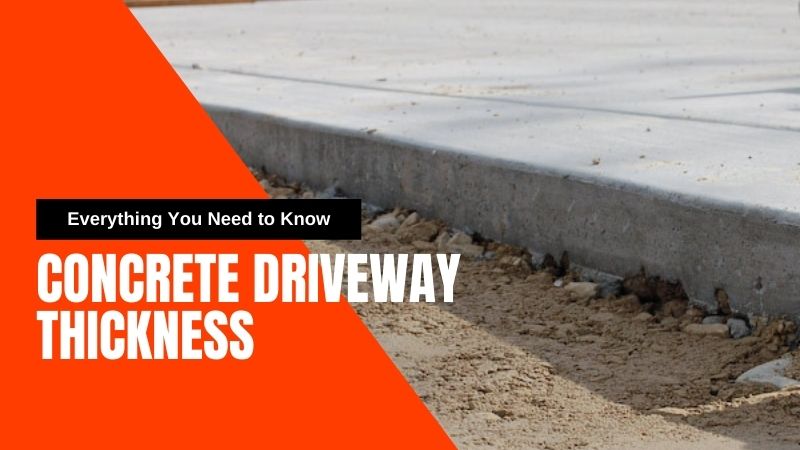
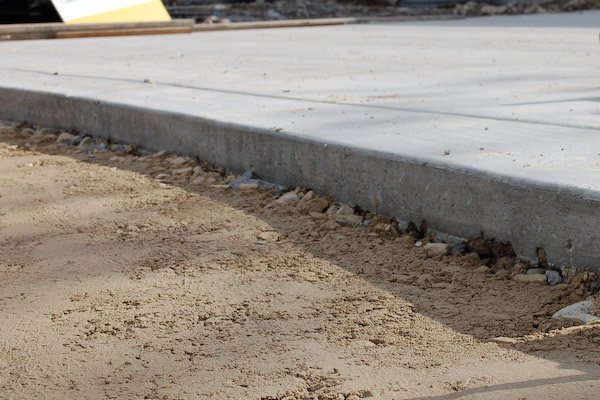
The thickness of concrete slabs supporting lighter weights such as paths patios and shed bases should be between 75 and 100mm thick while driveway and garage slabs should be at least 100mm thick. Please note the slab IS thicker at the edges. Concrete slab installation costs a minimum of 535 per square foot for a 4 thickness and as high as 1055 per sq. The structural integrity and strength entirely depend on concrete driveway thickness. Many concrete slabs are poured thicker at the edges so while the bulk of a commercial concrete pour can average 6 inches the outside aka aprons might plunge down to. Costs To Install Concrete Slab.
 Source: buildmagazine.org.nz
On average commercial concrete slabs are at least 6 inches thick for parking lots and structures. For flatwork such as slabs-on-grade and driveways a minimum thickness of four inches is required but increasing the thickness to five inches can add nearly 50 percent to the load-bearing capacity. In fact ascending the thickness to 5 inches would elevate the load capacity of the pavement by around 50. For example a typical garage slab can have a concrete slab with a minimum thickness of about four inches. Concrete Slab Thickness Recommended thickness of concrete slabs.
 Source: serviceseeking.com.au
12 inches or less 38 inch -14 inch. Concrete contractors typically recommend a minimum thickness of around four inches for residential properties. For commercial applications such as retail hospital floors office buildings schools and churches we use floors between 4 and 5 inches in thickness. Concrete countertops are typically 1 ½ - 2 thick and commercial driveways can be 6 to 8 inches thick. Many concrete slabs are poured thicker at the edges so while the bulk of a commercial concrete pour can average 6 inches the outside aka aprons might plunge down to.
 Source: maininfrastructure.com
Determine the initial thickness of the slab between a one way slab spanning 8m between supporting beams and a flat slab in a 8m x 8m grid. More than 12 inches but not over 3 feet 12 inch -38 inch. Five to six inches is recommended if the concrete will receive occasional heavy loads such as motor homes or garbage trucks. To prepare the base cut the ground level to the proper depth to allow for the slab thickness. Current standards for interstate highways for example call for concrete that is between 11 inches and 12 inches in thickness.
 Source: quora.com
For example a typical garage slab can have a concrete slab with a minimum thickness of about four inches. Base Slab - gooduniform level surface curing Unbonded topping- bondbreaker on base slab min thickness 3 in reinforced curing Bonded Topping - properly sized aggregate ¾ in. Further make sure the tolerance on subgrade surface preparation is compatible with the slab tolerance range -14 38 is typical and that no sharp transitions of thickness changes occur wheel ruts shelves etc. The structural integrity and strength entirely depend on concrete driveway thickness. Over 3 feet 1 inch -34 inch.
 Source: youtube.com
In fact ascending the thickness to 5 inches would elevate the load capacity of the pavement by around 50. Your city town or state may set specific standards about the minimum thickness of a concrete driveway or foundation. Concrete Slab Thickness Recommended thickness of concrete slabs. For residential use we typically use 3 12 inches to 4 inches in thickness. An article once reported that the thickness of one specified 6 inch slab varied from 2 ¾ inches to 8 inches but the normal range should have been between 4 ½ inches to 7 ½ inches of thickness with an average concrete thickness of 5 ¼ to 5 ½ inches.
Source: quora.com
Depending on usage commercial driveways need to be between six and eight inches thick. Commercial slabs should be at least 175mm thick and. Your city town or state may set specific standards about the minimum thickness of a concrete driveway or foundation. Current standards for interstate highways for example call for concrete that is between 11 inches and 12 inches in thickness. To prepare the base cut the ground level to the proper depth to allow for the slab thickness.
 Source: alphapavingtexas.com
The pavement should form from slabs of at least 4 inches thick. Recommended thickness of concrete slabs. How thick should a concrete slab be. Using some basic thumb rules regulation and guideline as per ACI code and IS code 4562000 for concrete floor It should be 6 to 8 150mm to 200mm thick concrete slab for commercial building providing minimum concrete grade M10 to M15 and mesh bar embedded in concrete 2 deep from top of floor slab. On average commercial concrete slabs are at least 6 inches thick for parking lots and structures.
 Source: copavementsolutions.com
For a 400 square foot slab the man hours required to finish a two-car concrete garage slab is about 13 hours. Over 3 feet 1 inch -34 inch. How thick should a concrete slab be. Moreover the thicker the concrete slabs are the stronger the driveway is going to be. My specification for slabs on grade has a 58 in 10 feet flatness tolerance for the subgrade.
Source: concreteconstruction.net
Most concrete slabs as poured do not conform to specified thickness. Concrete Slab Thickness Recommended thickness of concrete slabs. Engineering ToolBox - Resources Tools and Basic Information for Engineering and Design of Technical Applications. How thick should a concrete slab be. Unbonded or bonded topping over base slab for commercial or non-industrial buildings where construction type or schedule dictates.
 Source: structuremag.org
An article once reported that the thickness of one specified 6 inch slab varied from 2 ¾ inches to 8 inches but the normal range should have been between 4 ½ inches to 7 ½ inches of thickness with an average concrete thickness of 5 ¼ to 5 ½ inches. If the slab will occasionally need to bear the weight of a motor home or other heavy vehicle the minimum thickness should be. Standard concrete floor slab thickness in residential construction is 4 inches. For example a typical garage slab can have a concrete slab with a minimum thickness of about four inches. That said some slabs can be as much as 20 inches thick.
 Source: buildmagazine.org.nz
Further make sure the tolerance on subgrade surface preparation is compatible with the slab tolerance range -14 38 is typical and that no sharp transitions of thickness changes occur wheel ruts shelves etc. The pavement should form from slabs of at least 4 inches thick. My specification for slabs on grade has a 58 in 10 feet flatness tolerance for the subgrade. Current standards for interstate highways for example call for concrete that is between 11 inches and 12 inches in thickness. An article once reported that the thickness of one specified 6 inch slab varied from 2 ¾ inches to 8 inches but the normal range should have been between 4 ½ inches to 7 ½ inches of thickness with an average concrete thickness of 5 ¼ to 5 ½ inches.
 Source: copavementsolutions.com
Commercial slabs should be at least 175mm thick and. For residential use we typically use 3 12 inches to 4 inches in thickness. Concrete countertops are typically 1 ½ - 2 thick and commercial driveways can be 6 to 8 inches thick. The typical range is four to six inches. Commercial slabs should be at least 175mm thick and.
 Source: engineeringtoolbox.com
Concrete slab installation costs a minimum of 535 per square foot for a 4 thickness and as high as 1055 per sq. Many concrete slabs are poured thicker at the edges so while the bulk of a commercial concrete pour can average 6 inches the outside aka aprons might plunge down to. An article once reported that the thickness of one specified 6 inch slab varied from 2 ¾ inches to 8 inches but the normal range should have been between 4 ½ inches to 7 ½ inches of thickness with an average concrete thickness of 5 ¼ to 5 ½ inches. How thick should be a Slab be for a commercial building. 12 inches or less 38 inch -14 inch.
 Source: concreteconstruction.net
For a 6 slab with thicker edges styrofoam beneath the slab and wire mesh. Most specifications for retail or commercial concrete slabs specify 4 to 6 inches of thickness. Concrete contractors typically recommend a minimum thickness of around four inches for residential properties. For example a typical garage slab can have a concrete slab with a minimum thickness of about four inches. For commercial applications such as retail hospital floors office buildings schools and churches we use floors between 4 and 5 inches in thickness.
 Source: civilsir.com
The thickness of concrete slabs supporting lighter weights such as paths patios and shed bases should be between 75 and 100mm thick while driveway and garage slabs should be at least 100mm thick. One-way slab We have assumed the slab to be simply supported Therefore the spaneffective depth ratio 20. Determine the initial thickness of the slab between a one way slab spanning 8m between supporting beams and a flat slab in a 8m x 8m grid. Most specifications for retail or commercial concrete slabs specify 4 to 6 inches of thickness. For flatwork such as slabs-on-grade and driveways a minimum thickness of four inches is required but increasing the thickness to five inches can add nearly 50 percent to the load-bearing capacity.
This site is an open community for users to do submittion their favorite wallpapers on the internet, all images or pictures in this website are for personal wallpaper use only, it is stricly prohibited to use this wallpaper for commercial purposes, if you are the author and find this image is shared without your permission, please kindly raise a DMCA report to Us.
If you find this site value, please support us by sharing this posts to your own social media accounts like Facebook, Instagram and so on or you can also save this blog page with the title how thick is a commercial concrete slab by using Ctrl + D for devices a laptop with a Windows operating system or Command + D for laptops with an Apple operating system. If you use a smartphone, you can also use the drawer menu of the browser you are using. Whether it’s a Windows, Mac, iOS or Android operating system, you will still be able to bookmark this website.