Your How deep should a control joint in concrete be images are available in this site. How deep should a control joint in concrete be are a topic that is being searched for and liked by netizens now. You can Find and Download the How deep should a control joint in concrete be files here. Download all free photos.
If you’re searching for how deep should a control joint in concrete be images information related to the how deep should a control joint in concrete be topic, you have visit the ideal blog. Our site frequently gives you hints for downloading the highest quality video and picture content, please kindly search and locate more informative video articles and graphics that match your interests.
How Deep Should A Control Joint In Concrete Be. The floor is 6 inches thick and the sawcut depth is 34 inch. Founded in 1904 and headquartered in Farmington Hills Michigan USA the American Concrete Institute is a leading authority and resource worldwide for the development dissemination and adoption of its consensus-based standards technical resources educational programs and proven expertise for individuals and organizations. The American Concrete Institute. Saw cutting cuts joints as soon as the concrete is hard enough that the edges abutting the cut dont chip from the saw blade.
 Concrete Slabs And Control Joints Branz Build From buildmagazine.org.nz
The floor is 6 inches thick and the sawcut depth is 34 inch. How deep and wide should a concrete control joint be. Sawcut depth is up to 138 inch and sawcut widths range from a 18-inch straight groove to a 12-inch T-cut. The foreman having given me the advice about the control joints felt guilty about showing up late. They cut 5 control joints. The depth of your concrete joints should be 25 of the depth of your slab.
At what intervals should we place control joints in concrete slabs.
Idealy that long one should have alternating control and expansion joints. The American Concrete Institute. For example a 6 slab would have cuts 12 18. Therefore the timing of saw cuts is critical. Sawcut depth is up to 138 inch and sawcut widths range from a 18-inch straight groove to a 12-inch T-cut. Although the floor has no random cracks the engineer says we now have to chase the joints with a conventional saw so the cuts are 1 12 inches deep one-quarter the slab thickness.
 Source: carrollsbuildingmaterials.com
2-3 times the thickness of your slab in feet. They cut 5 control joints. See our section on Concrete Admixtures for tips on controlling drying shrinkage cracking and hot weather and cold weather concreting. In addition to those intervals you also need to cut control joints at a specific depth about 25 percent of the slabs depth. Idealy that long one should have alternating control and expansion joints.
 Source: structuralguide.com
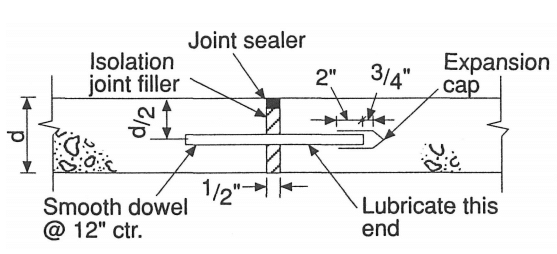
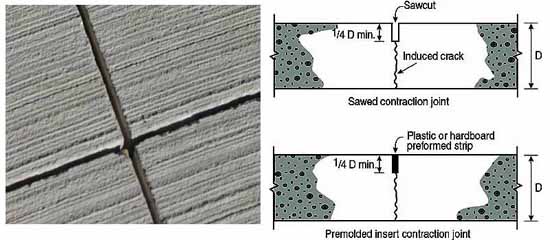
So for the same 6-inch slab the joints should be 15 inches deep. I wouldnt hesitate to cut control joints in the long one. How deep and wide should a concrete control joint be. The depth of your concrete joints should be 25 of the depth of your slab. For most concrete work cutting should take place within the first 6 to 18 hours and never beyond 24 hours.
 Source: nevadareadymix.com
The cuts should be made at a predetermined spacing and only after the concrete has obtained sufficient strength but before internal cracking begins. Usually one third of the thickness. Although the floor has no random cracks the engineer says we now have to chase the joints with a conventional saw so the cuts are 1 12 inches deep one-quarter the slab thickness. The depth of your concrete joints should be 25 of the depth of your slab. We used an early-cut saw to joint a concrete floor immediately after finishing.
 Source: aboutcivil.org
While experience will help you get a better idea of what works for your concrete and climate there is a rule of thumb to start with. Depends on the thickness of the slab. The width of a concrete slab control joint is the same as the control joint insert 14 to 12 in width or of the vee-trowel about 38 wide or of the saw blade used to make the cut after the concrete has hardened. The cuts should be made at a predetermined spacing and only after the concrete has obtained sufficient strength but before internal cracking begins. ACI recommends control joint depth equal to 14 of the slab thickness.
 Source: schedulefred.com
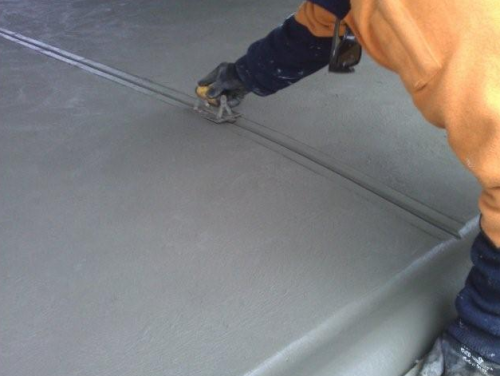
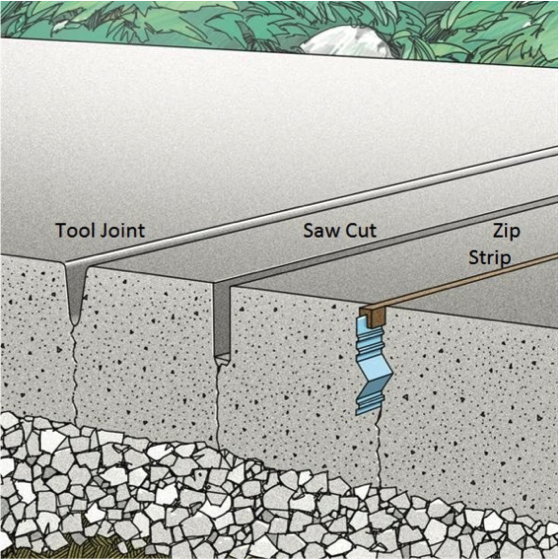
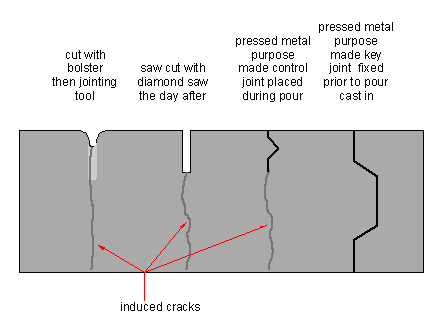
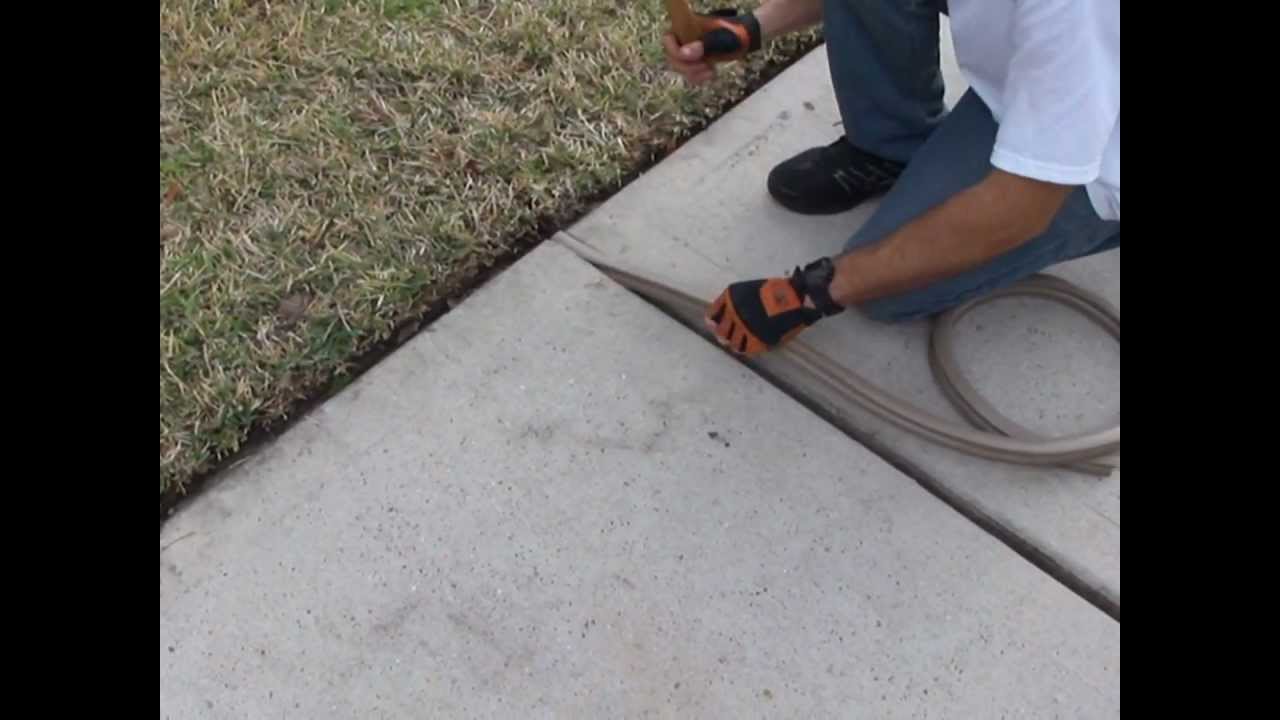
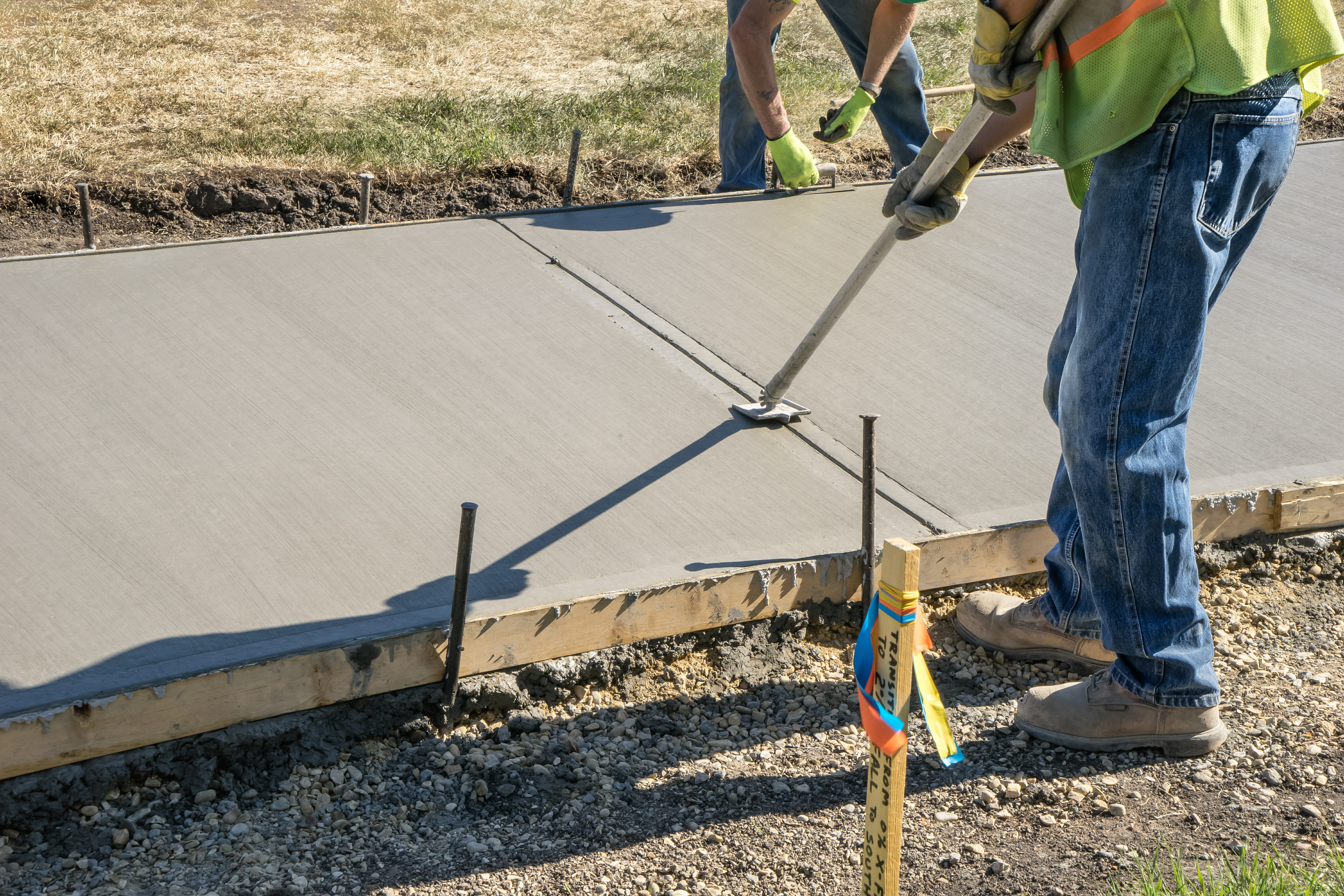
The width of the control joint has been controlled by the ability of tools and saw blades to maintain plumb. The foreman having given me the advice about the control joints felt guilty about showing up late. They cut 5 control joints. Shrinkage control joints defined in NZS 36042011 as lines along which the horizontal strength of the slab is deliberately reduced so. How to cut joints Groover tools cut joints in fresh concrete.
 Source: blog.strongholdfloors.com
Contractioncontrol joints are placed in concrete slabs to control random cracking. For most concrete work cutting should take place within the first 6 to 18 hours and never beyond 24 hours. Always cut off of your corners as soon as possible because this is usually the first place cracking starts. Cuts should be approx. Ease the edges and fill with self leveling joint sealer.
Source: buildmagazine.org.nz
The depth of your concrete joints should be 25 of the depth of your slab. Electric-powered lightweight models use a smaller-diameter saw blade and cut notches 34- to 1-inch deep at sawing speeds of 4 to 11 feet per minute. Contractioncontrol joints are placed in concrete slabs to control random cracking. Plan out your control joint spacing 24-36 times the depth of your concrete slab. While experience will help you get a better idea of what works for your concrete and climate there is a rule of thumb to start with.
 Source: builderbill-diy-help.com
For example a 6 slab would have cuts 12 18. Electric-powered lightweight models use a smaller-diameter saw blade and cut notches 34- to 1-inch deep at sawing speeds of 4 to 11 feet per minute. The American Concrete Institute. They cut 5 control joints. Plan out your control joint spacing 24-36 times the depth of your concrete slab.
 Source: schedulefred.com
Saw cutting cuts joints as soon as the concrete is hard enough that the edges abutting the cut dont chip from the saw blade. Cut joints deep enough Cut joints 25 of the depth of the slab. Electric-powered lightweight models use a smaller-diameter saw blade and cut notches 34- to 1-inch deep at sawing speeds of 4 to 11 feet per minute. Usually one third of the thickness. The floor is 6 inches thick and the sawcut depth is 34 inch.
 Source: jlconline.com
ACI recommends control joint depth equal to 14 of the slab thickness. While experience will help you get a better idea of what works for your concrete and climate there is a rule of thumb to start with. For instance plan control joints every 12 to 18 feet for a 6-inch slab. Place joints under walls or under carpet areas. Cuts should be approx.
 Source: buyersask.com
For a 6x4 12-inch groover youll pay about 25 or more for bronze and as much as 35 for heavy-gauge stainless steel. Joints should be sawed as soon as the concrete can withstand the energy of sawing without raveling or dislodging aggregate particles. We used an early-cut saw to joint a concrete floor immediately after finishing. Do they abut other masonry if so they should have expansion joints. One of the first places to start is knowing how much space you need between your cuts.
 Source: buyersask.com
Do they abut other masonry if so they should have expansion joints. For instance plan control joints every 12 to 18 feet for a 6-inch slab. Saw cuts are a used to create control joints in concrete which help control where cracking occurs due to shrinkage. He arrived at noon roughly 24 hours after the pour and went right to work. Idealy that long one should have alternating control and expansion joints.
 Source: carrollsbuildingmaterials.com
WHEN TO SAW CONTROL JOINTS Cutting freshly poured concrete too late can lead to unwanted cracks in the concrete rendering the joints ineffective. 25 inch to a half inch. A joint cut into a slab to ensure that as the concrete slab. Should be 14 as deep as the thickness of the slab. New Zealand Concrete Masonry Manual 63 Control Joints Introduction Where there is any conflict between linked Concrete masonry walls whether they be walls forming part of a building structure retaining or garden walls often require control joints to be built in to counter the effects of drying shrinkage and other.
 Source: buyersask.com
Place joints under walls or under carpet areas. ACI recommends control joint depth equal to 14 of the slab thickness. Control joints should be 14 of the thickness of the concrete slab. Electric-powered lightweight models use a smaller-diameter saw blade and cut notches 34- to 1-inch deep at sawing speeds of 4 to 11 feet per minute. They cut 5 control joints.
 Source: buyersask.com
As it turned out the concrete contractor assigned the crew to a morning pour in a different town. Electric-powered lightweight models use a smaller-diameter saw blade and cut notches 34- to 1-inch deep at sawing speeds of 4 to 11 feet per minute. Usually one third of the thickness. Place joints under walls or under carpet areas. For a 6x4 12-inch groover youll pay about 25 or more for bronze and as much as 35 for heavy-gauge stainless steel.
This site is an open community for users to submit their favorite wallpapers on the internet, all images or pictures in this website are for personal wallpaper use only, it is stricly prohibited to use this wallpaper for commercial purposes, if you are the author and find this image is shared without your permission, please kindly raise a DMCA report to Us.
If you find this site value, please support us by sharing this posts to your own social media accounts like Facebook, Instagram and so on or you can also bookmark this blog page with the title how deep should a control joint in concrete be by using Ctrl + D for devices a laptop with a Windows operating system or Command + D for laptops with an Apple operating system. If you use a smartphone, you can also use the drawer menu of the browser you are using. Whether it’s a Windows, Mac, iOS or Android operating system, you will still be able to bookmark this website.


